


Monitoring and other related studies

vip4

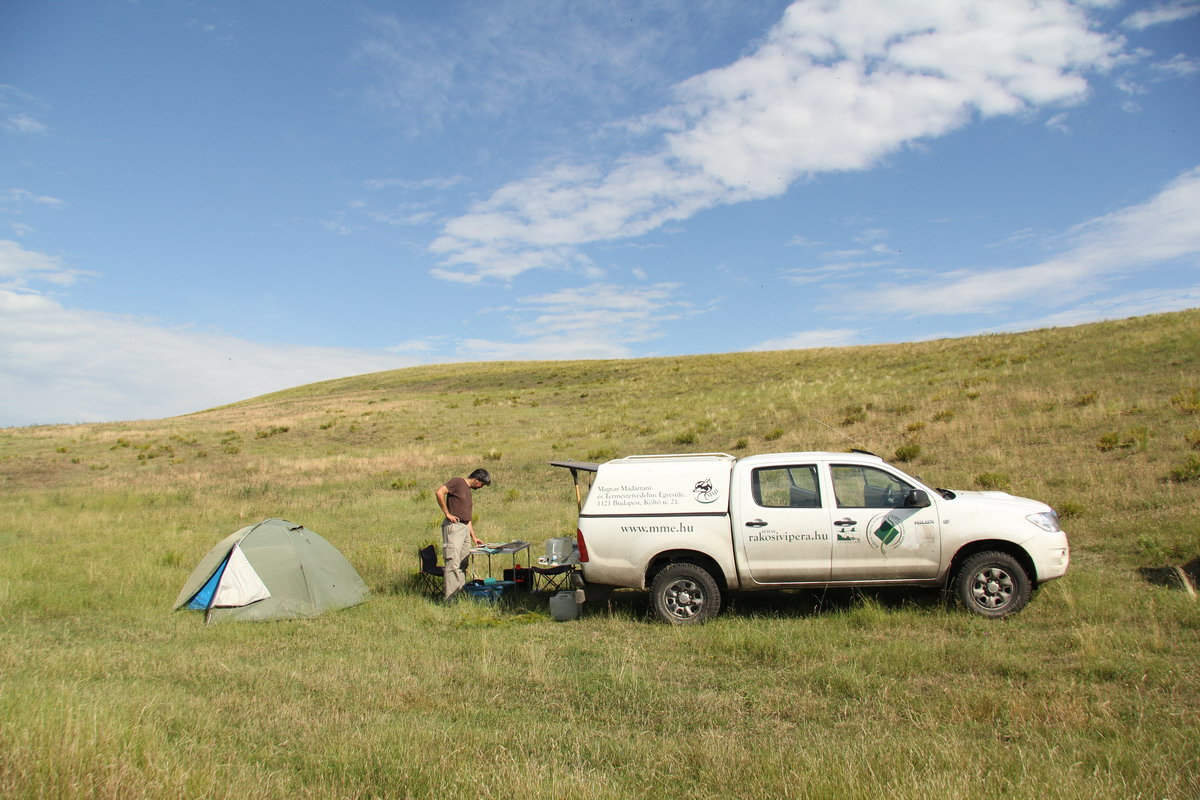
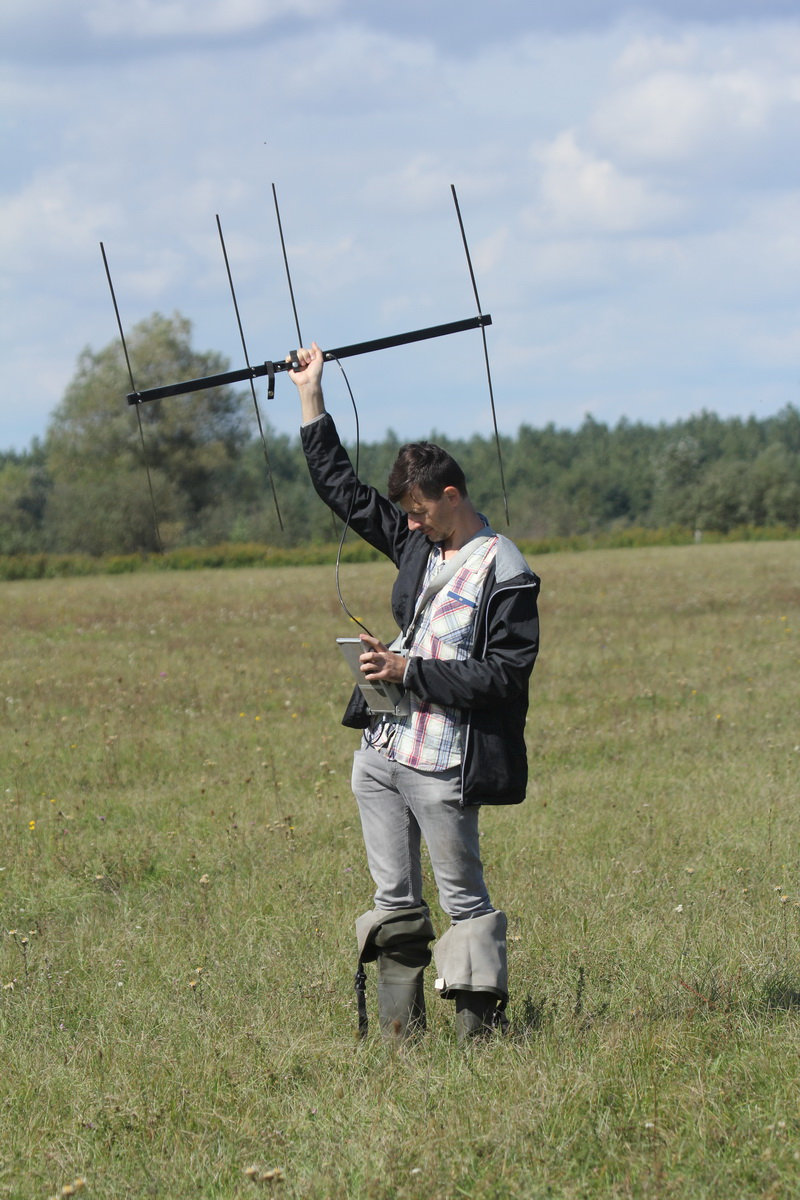
The existence of the Conservation Centre does not mean the elimination of ‘in situ’ conservation, therefore the monitoring of natural populations is an important part of the project. On viper habitats in the area of KNP and DINP vipers and other herp species will be monitored as well as other studies on vegetation, important prey-species like Orthopterans, and Rodents that are more important of building potential hiding places. Studies will be carried out by experts of MME and researchers from various universities. The aim of monitoring is to describe different viper habitats with objective parameters in order of comparison. The comparison of recent and former habitats can give some cues to the severe decline of the species, and help in developing guidelines for the ‘viper-friendly’ management of those sites.

Viper monitoring
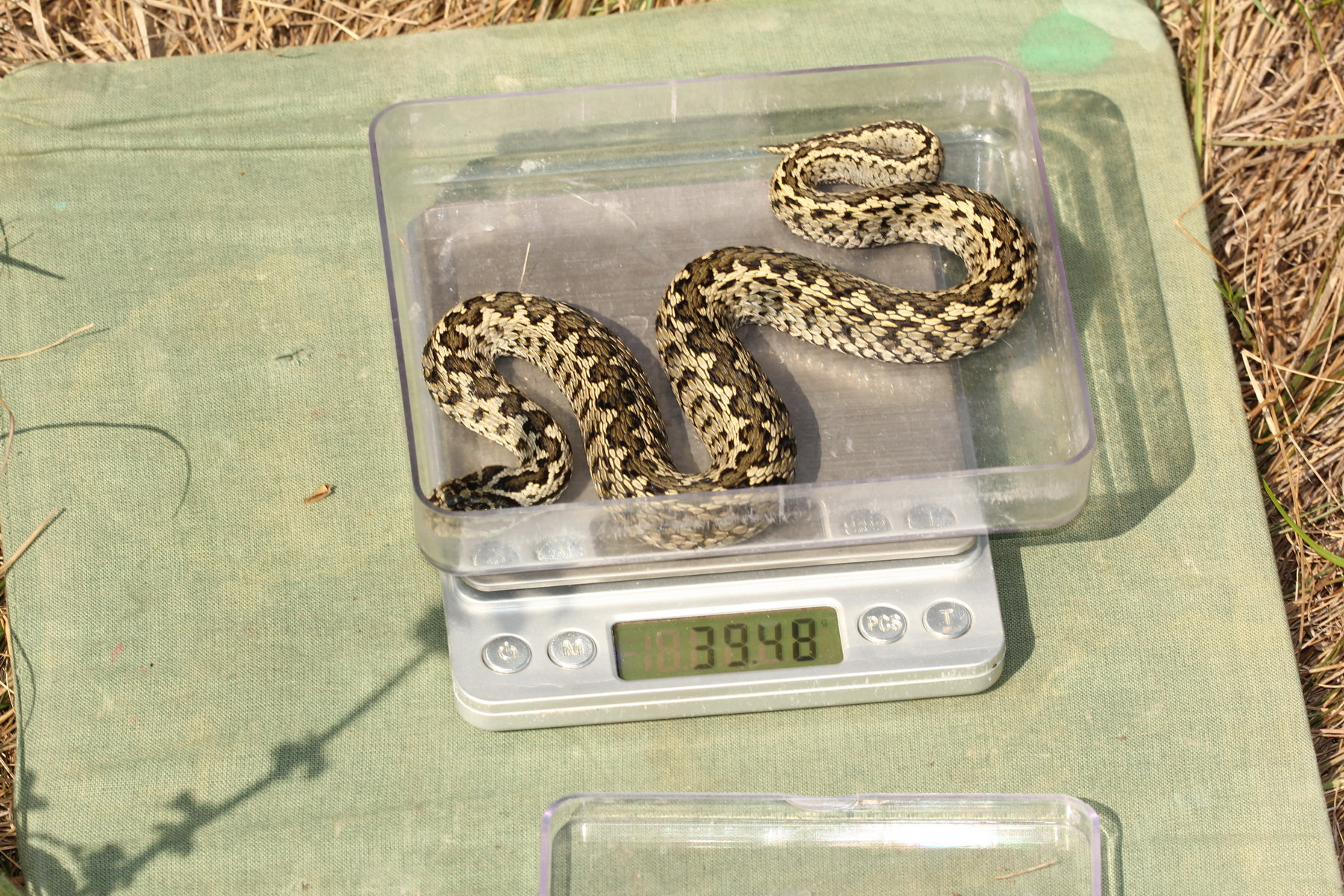
Since 2004 we managed to observe 38 vipers on 6 habitats in Kiskunság. In 2006 we have also participated in the monitoring of Hanság habitats, observing 11 animals on those sites. Beyond recording morphological characters (body size and scale numbers), pictures were taken on their head and body for future identification. We have started genetic studies of natural populations in 2006, by taking blood samples from adult individuals of various populations, after it was initiated by the Viper Conservation Council. These studies are still in progress, and we expect the first results by the second half of 2007.

Botanic studies and vegetation mapping
erdomegbeszelesA mix picture evolved on the vegetation serving as habitat for Hungarian meadow viper, following numerous observations of the last decade. The species was found on dry, open sandy grassland, on mesofil steppe habitat, and on lower meadows; in a vegetation type close to natural or degraded to certain level. There are even some observations on agricultural areas with extensive use, like alfalfa fields, or ceased arable land.

During the monitoring of vegetation we attempted to describe the most important vegetation types preferred by Hungarian meadow viper. On the known and potential habitats two times a year we have collected data by standardized methods following transects. Species construction, vegetation structure and cover and level of degradation were recorded and we have tried to estimate the consequences of farming practices. Following 3 years’ observations, we can state that variables were not changing significantly, beside unchanging land use.

We also tried to map consequences of previous land use in the area. Whole areas where sampling points occur were mapped for vegetation types, in order to describe size of habitats and their actual state. In the survey of 2006 we mapped all known viper habitats of Felsõpeszér area in order to describe macrovegetation composition, and to identify and count habitually different associations of plant species.

As a result of our studies we gained a better picture on vegetation types, their position and grass structure of variously managed sites serving as habitat of Hungarian meadow viper.

Monitoring of Orthopteran insects
According to our recent knowledge, the orthopterans: grasshoppers and katydids are of great inportance from the Hungarian meadow vipers’ viewpoint, as – together with small lizards and rodents – these insects form a considerable part of their food. Otherwise the caverns of some species (e.g. Gryllus campestris) also serve as potential hideouts for the young snakes.

Hence field monitoring of orthopteran insects at the main meadow viper habitats of Kiskunság started at the beginning of this LIFE programme. At the study sites and transects, appointed together with botanist colleauges, we sampled orthopterans mainly by sweep netting completed by singling and acoustic detection. The density of orthopterans is estimated by line-transect method. The samplings are carried out two or three times a year. In order to avoid the negative effect of overcollecting, the samples collected in places of low orthopteran density are identified alive and then the specimens are released at the same place. The rest of the collected specimens are identified and the living weight is measured for the biomass calculations.

In 3 years of field study on the sampling sites in Kiskunság, which covered 10 habitats and potential habitats of Hungarian meadow viper we found altogether 49 species, 41 % of the total Orthoptera fauna of Hungary. The list contains six species protected at national and EU level (Acrida ungarica, Calliptamus barbarus, Celes variabilis, Gampsocleis glabra, Isophya costata, Tettigonia caudata) as well. The species richness itself indicates the good naturalness of these habitats. On the different types of grassland habitats (fen meadows, steppe meadows and sandy grasslands) characteristic and more or less constant orthopteran assemblages were found. The most abundant species are Chorthippus, Euchorthippus and Metrioptera spp..

The quantity of orthopteran insects as food for meadow vipers showed changes based on the 2006 year data. In June-July there an averge of living orthopteran biomass of 1.7 kilograms pro hectare, in August 1.5 kilograms pro hectare and in the first half of October only 0.5 kilogram pro hectare could be estimated. However between sampling sites also in the same sampling period, considerable differences in estimated biomass could be detected. According to our results, in autumn the habitat patches of different mesic and xeric steppic vegetation in higher location presented the best grasshopper food resource for Hungarian meadow vipers in Kiskunság region.

Monitoring of other reptile species
mezei pocokFollowing the selected transects, two times a year we will try to make estimations on local lizard populations, by using short-term capture-recapture method. Other serpents will be monitored, by recording species, size and their age, in order to make estimations on their population size. Results will be used in the comparison of habitats.

Monitoring of bird species
We will handle separately prey and predator species. Those appropriate to become prey of meadow vipers are passerines nesting on the ground or in small bushes. We will estimate their numbers in nesting period by counting breeding pairs following the selected transects. Occurrence of species that can predate meadow vipers will be recorded all time during the whole season. Results will be used in the comparison of habitats.

Field biomonitoring of small mammal populations in the actual and potential habitats of Hungarian meadow viper
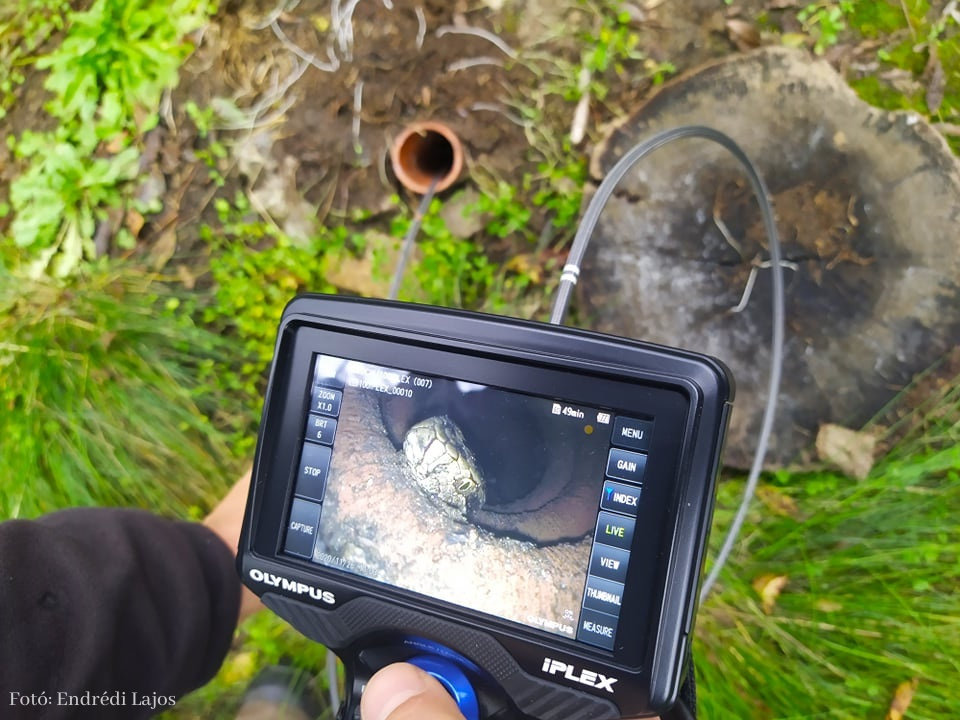
Presence of different small mammal populations in the habitats of Hungarian meadow viper has significance from two main points of view. On the one hand they can provide stable and easily accessible food resource, on the other hand their burrows can solve as perfect hiding or overwintering place for vipers. As a consequence, the knowledge on both, the local density of their populations and that of their burrows is crucial for qualifying the viper habitats. We started the monitoring of small mammal populations in the known actual viper habitats, but the investigations are also expanded to the areas, to where the occurrence of the species is expected. Two main methods were used, live-trapping and burrow counting.

Trapping of small rodents was executed by 50 or 100 live-traps in an area during 3 or 4 days of summer trapping session. We estimated the small rodent density by the methods of multiple recapture studies. Values were correlated to the supposed density of the vipers and the required density of prey population.

Burrow countings were conducted at the beginning period of the yearly activity cycle of the vipers and before their disappearance for overwintering. First measure shows the availability of hiding places, while the second one provides the number of available overwintering burrows. In all areas we counted along standard transects composed of 5 or 9 sampling unit of 50 m length and 5 or 10 m width. Burrows found in the sample areas were categorized as holes of mice, voles, ground-squirrels, crickets or any other species (e.g. ferret or spider). The results were correlated again to the supposed density of the vipers and the required density of overwintering burrows. During the study we also recorded the average grass height and the position of the sample area in the microrelief. During the investigations we paid the highest attention to cause the least disturbance for the vipers.

Based on these ongoing studies started three years ago, we can suggest that the number of burrows does not limit the occurrence of vipers in their habitat in Peszéradacs region. Even in Bugac region the number of holes can be much higher. In general, the density of burrows was higher in the elevated areas and their higher patches. In case of capture the most frequent species were mice (Apodemus sylvaticus) and in smaller density the voles (Microtus arvalis). The number of holes was greatly increased in case of ground-squirrel (Citellus citellus) presence in the area.
We can conclude that in the actual viper habitats the hiding and overwintering burrows should not limiting factors for the local viper population. However, as we do not obtain certain information about the burrow use and ranging behaviour of Hungarian meadow viper, we can only suppose that the burrow density often reaching 100 or 300 hole per hectare can be suitable for survival of vipers.